Takeaways
Final Thoughts
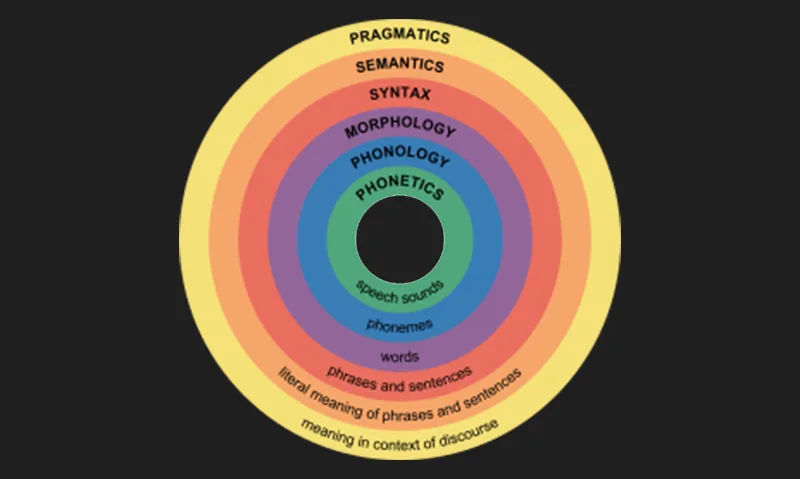
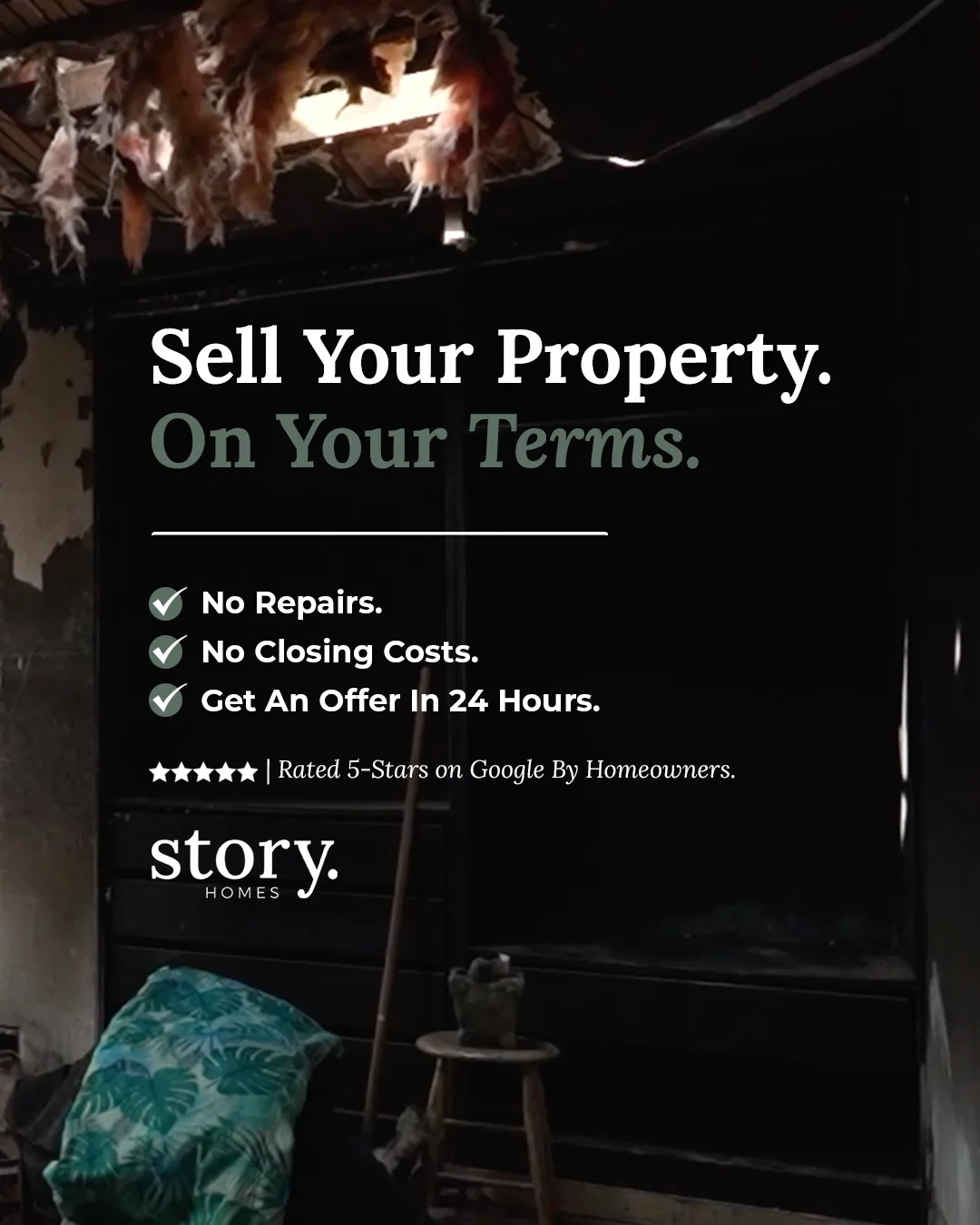
This campaign reinforced just how much psychology and language shape a real estate seller's willingness to act. Standard high-intent messaging simply didn't reach a distressed seller who hadn't consciously recognized their own situation yet, it took a shift in word choice, from "home" to "house" or "property," to meet that audience without triggering the emotional resistance that kept turnkey-ready sellers filtering in instead. The result was a clear demonstration that psycholinguistics isn't a nice-to-have in performance marketing; for an audience this specific, it was the difference between a campaign that filled the funnel with the wrong leads and one that found the right ones.
Beyond the seller campaign, the recruitment, event, and investor efforts confirmed a simpler principle: when social proof and message accuracy are already strong, qualified leads convert with comparatively little optimization. The investor campaign made this clearest, doubling attendance at Story Homes' monthly networking event and giving the recruitment team a pipeline strong enough that Story Homes brought on a dedicated recruiter just to manage it. Together, the four campaigns show how the same underlying framework, grounded in audience psychology, can flex to fit audiences as different as a distressed homeowner and a professional investor.